






Note: The following e-newsletter was distributed to Sen. Jeff Wilson’s subscribers Sept. 21, 2026. To subscribe to Sen. Wilson’s e-newsletters, click here.
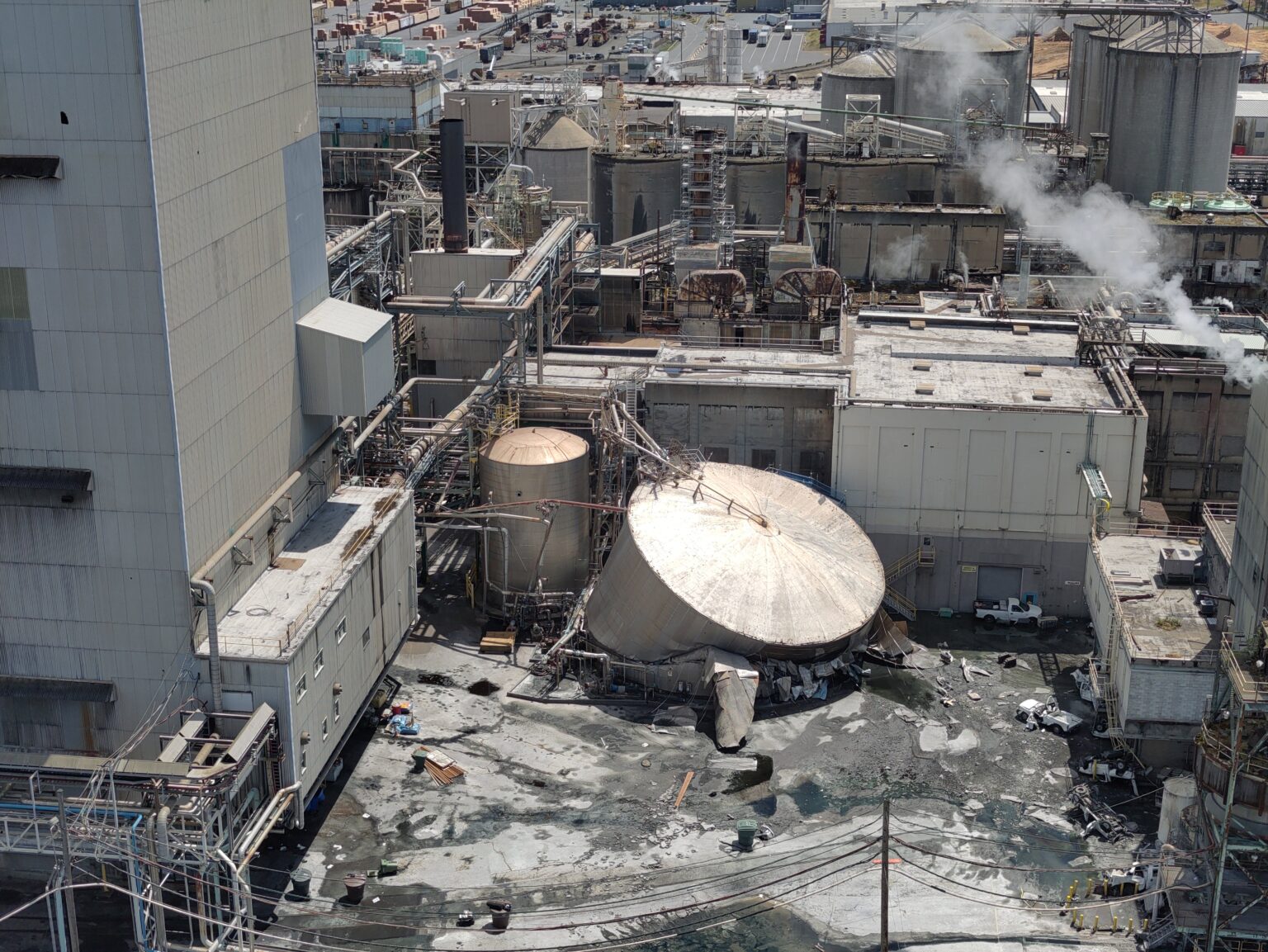 Aftermath of Nippon Dynawave tank collapse. Department of Ecology photo.
Dear Friends and Neighbors,
When 11 workers died last May in one of the worst industrial accidents in American history, I think all of us who live in Longview were shaken. We’ve always been a mill town. If we don’t work at a mill ourselves, we know somebody who does. Our entire community shared in the grief.
And for me it really hit home. I spent most of my career as a cleanup and compliance contractor, including 20 years as prime responder at the Nippon Dynawave paperboard plant. I don’t know how many times I walked past the aboveground chemical storage tank that collapsed without warning that day and spewed caustic “white liquor” across the factory grounds. I think all of us who have spent time at the plant have found themselves thinking, but for the grace of God, that could have been me.
Now the initial shock is over, and it’s time to think about the next move. How do we make sure this never happens again? This will be a major debate in next year’s Legislature. I think we should start by correcting an astonishing oversight in state law.
At present there are two ongoing investigations by government agencies. We expect a report from the state Department of Labor and Industries by the end of the year. The federal Chemical Safety Board likely will release its findings sometime in 2027.
But who says the Legislature has to wait for investigations? This accident has exposed the fact that the state has no effective program to regulate aboveground chemical storage tanks. No state agency routinely inspects and certifies tanks of this type, even though we have stringent programs covering other tanks, such as underground tanks and aboveground fuel tanks.
Ending this oversight will be Job Number One for me in the 2027 Legislature.
Bill addresses the central problem
I am preparing a bill for consideration next year that would require the state to inspect and certify aboveground chemical storage tanks at paper plants. This bill would direct the Department of Ecology to write new rules for tank system registration, leak detection, safe operational standards, corrective actions, mandatory inspections and more. Violations would be punishable by a fine of up to $5,000 a day, and the industry would pay the cost of regulation.
This legislation gets at the heart of the issue, by identifying problems and ensuring they are not ignored.
Offers alternative to ‘Environmental Crimes’ bill
I think this offers a more direct and more effective approach than another bill being touted in the Legislature. Some Democrats hope the tragedy will make the case for a bill they pushed last year, allowing criminal prosecutions for violations of environmental law.
Last year’s bill applied only to violations of environmental statutes, and did not apply to industrial safety. Our colleagues would need to stretch it to fit. But there is a big problem with the concept. Punishment comes after the fact. Our goal should be to prevent these tragedies in the first place and protect the workers on the front lines.
If vengeance becomes our primary objective, and we start threatening corporate executives with prison sentences, we can be sure they’ll lawyer up and fight every step of the way. Nothing good ever comes of that. Front-line workers might be prosecuted as well, and it’s no surprise labor unions opposed the bill when it came up for debate last session.
Yet if we enact a rigorous program of inspection and require state certification, we could do a great deal of good. Are there other aboveground chemical storage tanks on the verge of collapse? We won’t know unless we look. Watch for this debate to be front and center when we return to Olympia in January.
A celebration that lasts all year
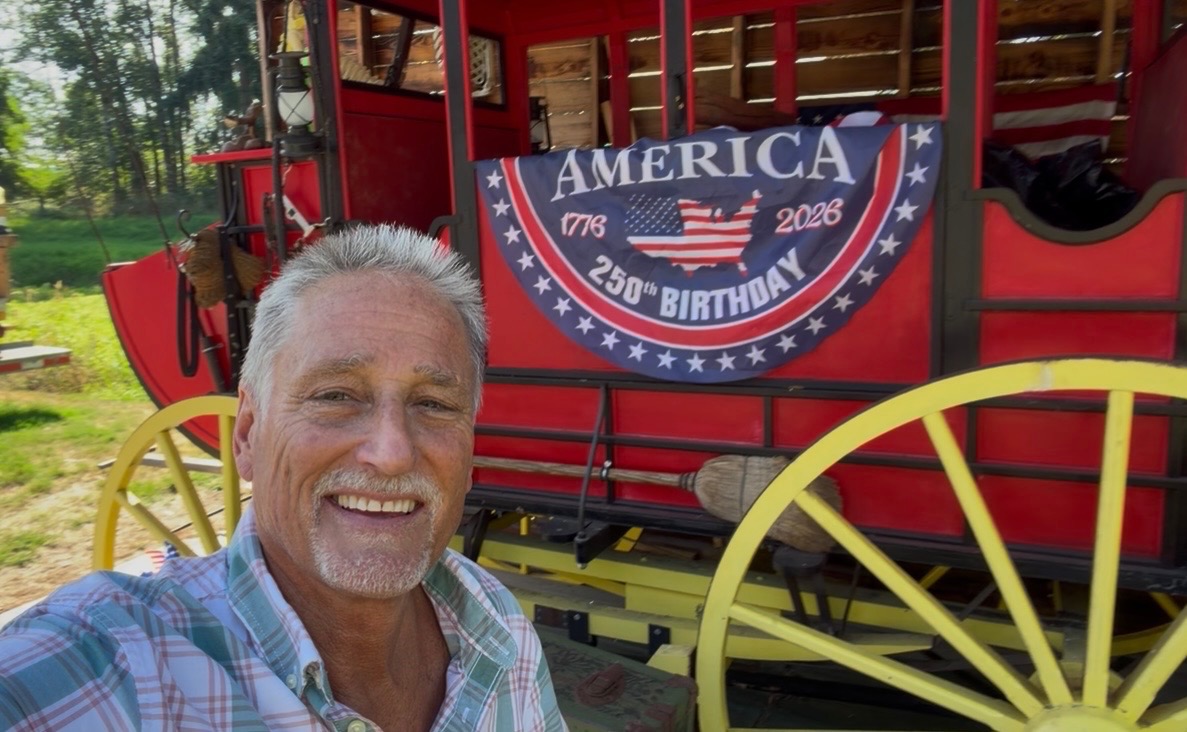
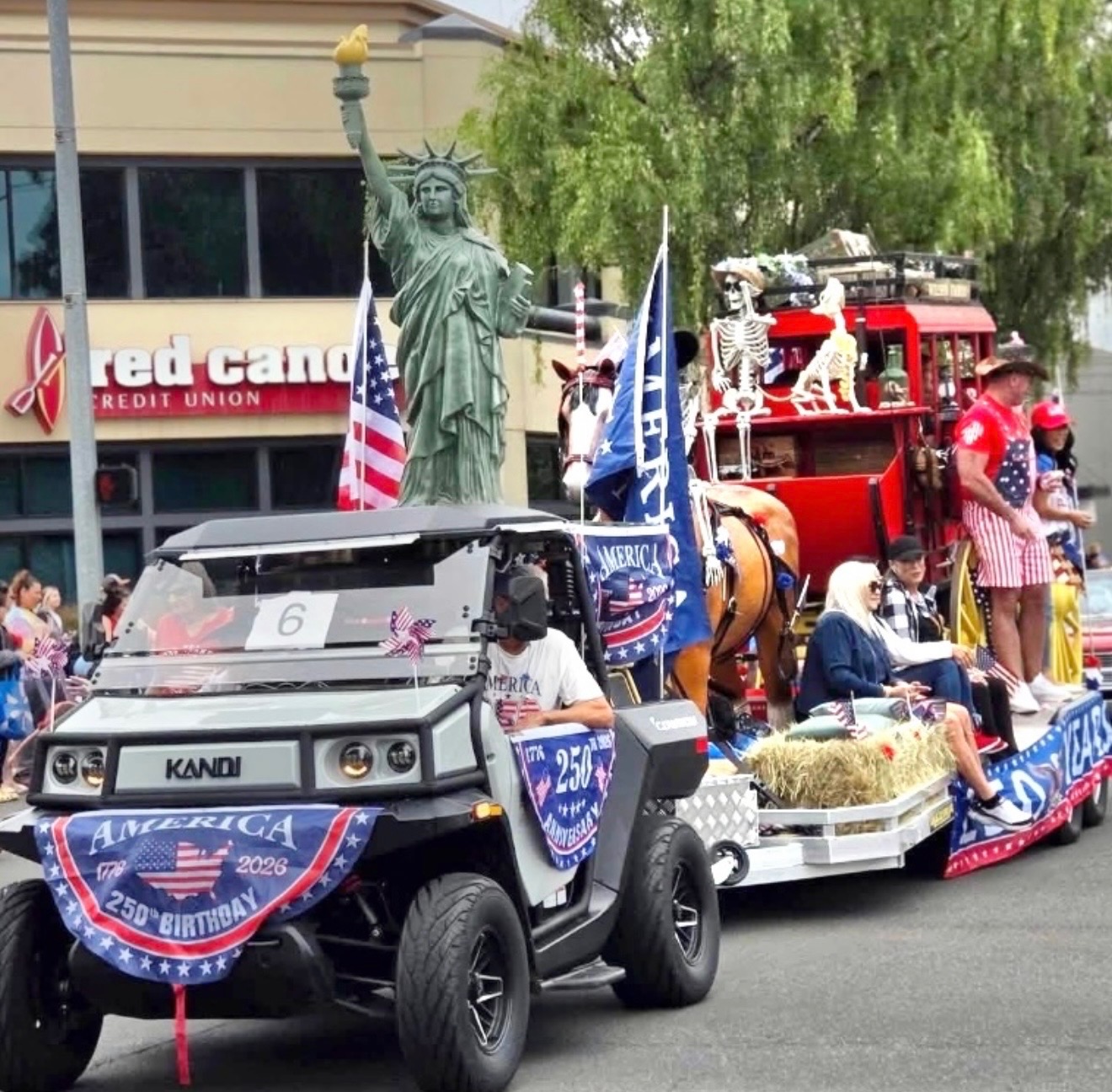
I was delighted this year to participate in Longview’s “Go 4th” parade on Independence Day. That’s my stagecoach you see in the background.
The parade is always a highlight of my summer, but this year it had an especially important meaning. This is our nation’s 250th anniversary, and the celebration lasts all year. I am proud to serve as a member of the state Semiquincentennnial Commission, and prouder still to be an American, serving my district in the state Legislature, and upholding the principles our Founding Fathers laid out so long ago.
Correcting the blunder at the Naselle Youth Camp
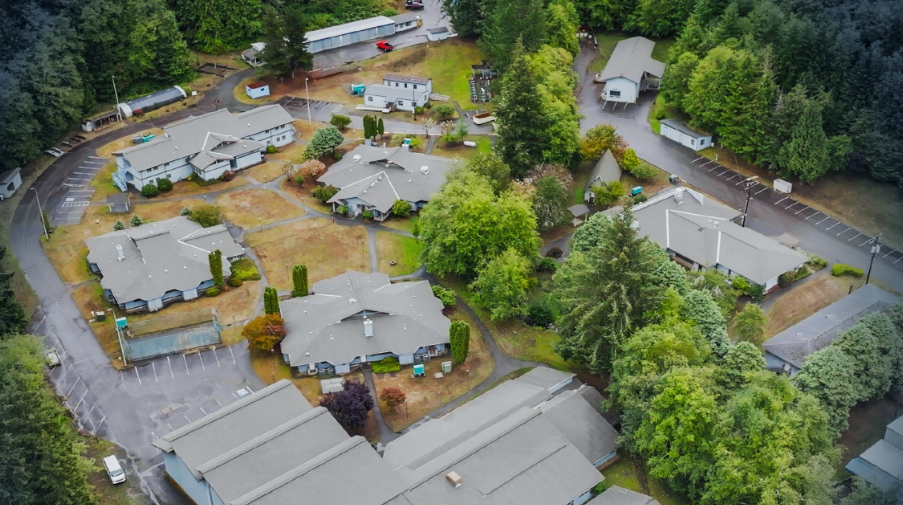 The Naselle Youth Camp complex, closed in 2022, includes 34 buildings the state continues to maintain. Department of Children, Youth and Families photo.
One of the Legislature’s biggest mistakes of recent years is the closure of the Naselle Youth Camp. Once the biggest juvenile rehabilitation facility in the state, this camp deep in the Pacific County forest housed as many as 225 juvenile offenders at one time.
The state took possession of the former Air Force radar base in 1966 and made significant investments to transform it into a crown jewel of our juvenile system. The camp closed in 2022 when majority lawmakers balked at further investment at the remote location.
The timing couldn’t have been worse. It came just as our colleagues adopted a new policy of keeping offenders in the juvenile system through age 25, rather than sending them to adult prisons at age 21 to serve the remainder of their terms. This “JR to 25” policy resulted in severe overcrowding and chaotic conditions at the state’s primary remaining juvenile detention facility, the Green Hill School at Centralia.
To relieve pressure, the state spent millions creating a 46-bed juvenile facility in an underutilized adult cell block at the Stafford Creek Detention Center near Aberdeen. The new Harbor Heights facility opened last year and is off to a rocky start due to management problems, operating at about one-third capacity. It hasn’t made a dent.
Meanwhile Naselle sits empty, while the state maintains the buildings in good condition. I obtained a budget proviso to pay for a study of potential future uses.The task force recommended it be turned over to the Chinook Tribes for a tribal headquarters. Unfortunately, a bill I sponsored to implement this recommendation failed to advance.
It’s time we decide what we do with the facility, whether we reopen or demolish it. And the question is obvious. Why don’t we just reopen Naselle as a youth camp? I’ve sent a letter to Gov. Bob Ferguson to get the ball rolling. You can read it here.
Naselle offers a way not just to relieve overcrowding but also to segregate younger offenders from the older, more violent offenders who remain in the juvenile system through 25. I’m working on legislation for consideration in 2027, and there will be a few new wrinkles – stay tuned.
Sea lion issue poised for return in 2027
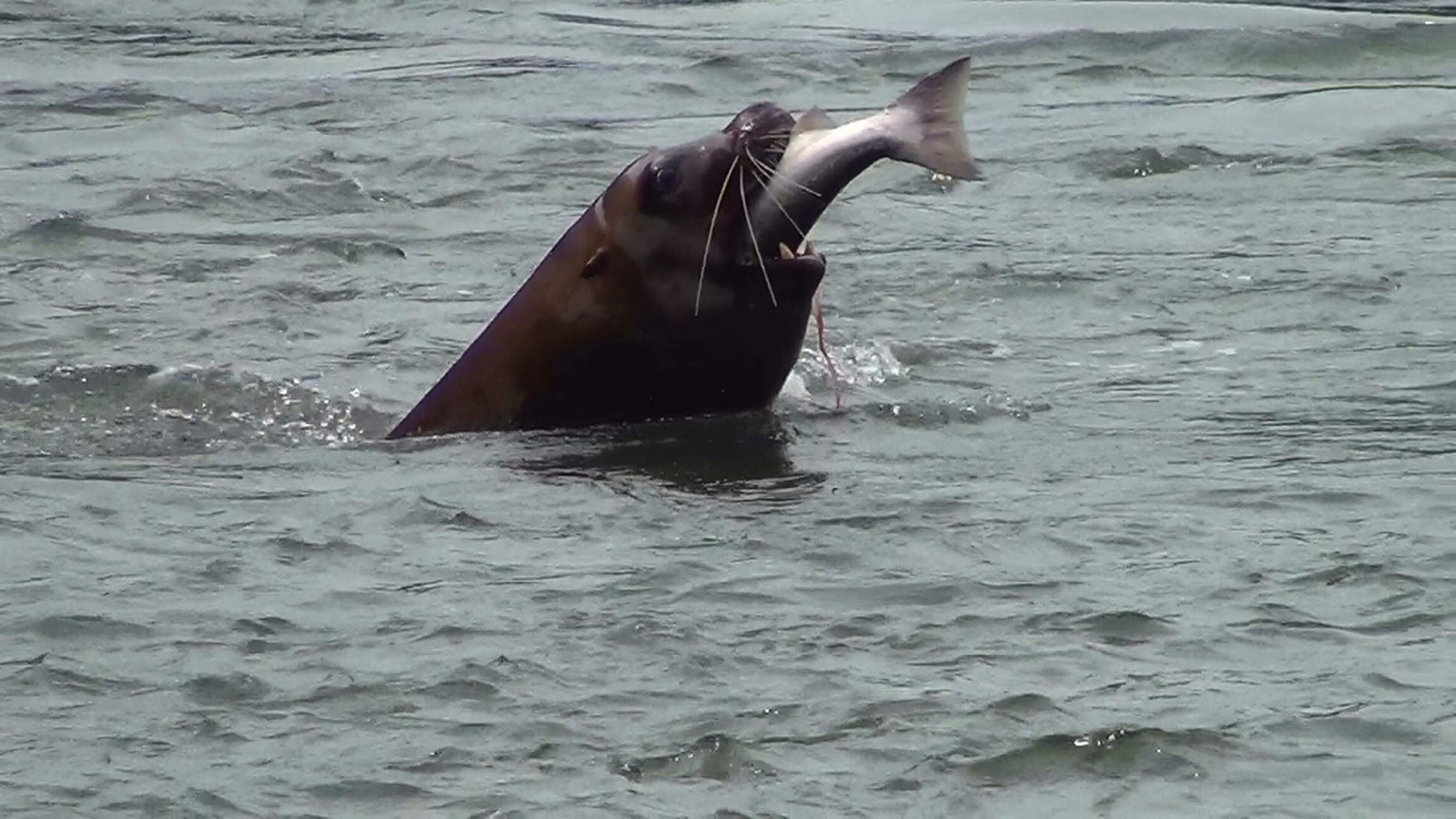 Sea lion pauses for a snack below Bonneville Dam. Army Corps of Engineers photo.
Another issue to watch in 2027 is sea lion predation, a major concern for us in Southwest Washington, where so much of our economy is dependent on the offshore seafood catch.
Sea lions have swarmed the Columbia in recent years, quadrupling in population, each one of them snarfing down as much as 40 pounds of fish per day. The National Marine Fisheries Service estimates we lose 20 to 45 percent of our spring chinook run to sea lion predation. No wonder our salmon are in trouble.
I’ve been working for the last several years to get the state Department of Fish and Wildlife the money and the authorization it needs to cull sea lions on Lower Columbia tributaries. Last session I introduced a bill allowing voluntary public contributions for sea lion removal, but it stalled in a Senate committee.
I’ll be back next year with a bill that builds on that proposal, with a few new features. There are many reasons to believe that next year the time will be ripe for action on this issue.
Page program offers opportunity for teens
We’re looking for a few good teen-agers. My office has limited slots available for students ages 14 to 16 who are interested in paging in the Senate this session.
The Senate Page Program gives our youth a chance to see the Legislature in action. Pages spend a week in Olympia, working in the Senate chamber during floor sessions and performing other tasks around the statehouse. The 2027 program operates from January to April during the Legislature’s regular session. Applications open Nov. 1, and more information is available at this link.
Thanks for reading!
Sen. Jeff Wilson
19th Legislative District
Contact me!
 Telephone: (360) 786-7636
Email: Jeff.Wilson@leg.wa.gov
Mailing address: P.O. Box 40419 /Olympia, WA 98504
Leave a message on the Legislative Hotline: 1-800-562-6000
Take our survey: Let us know what you think at http://www.JWilsonSurvey.com